
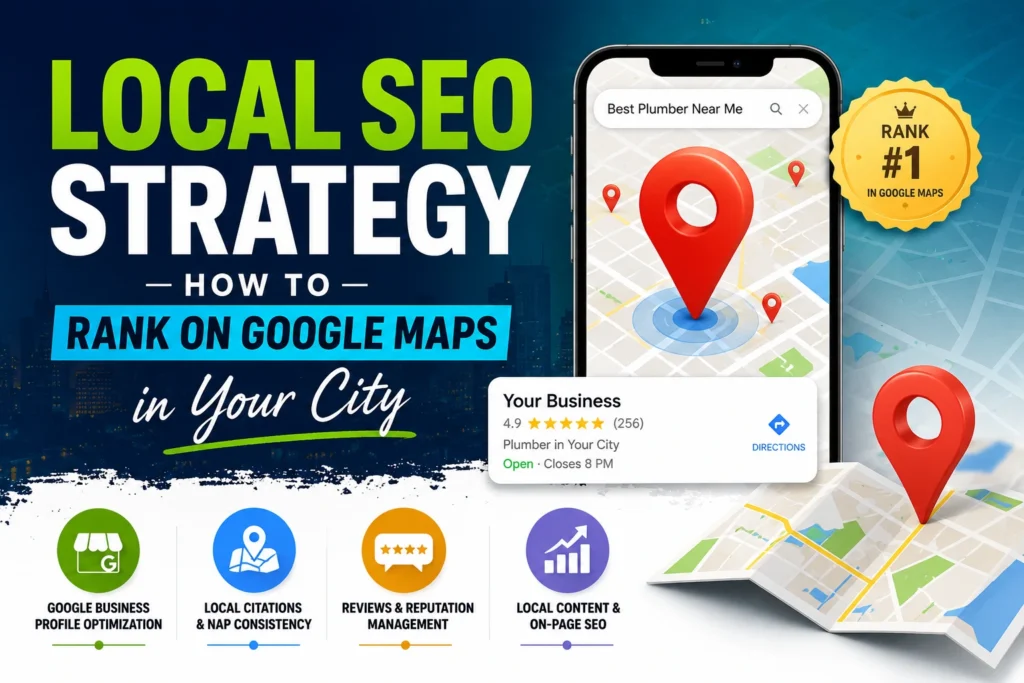

If you want your business to survive, relying purely on nationwide or generic organic search is a losing game. Nearly half of all search queries carry clear, geographic intent. Dominating regional map results requires deploying a highly precise local SEO strategy engineered around proximity and prominence. Prioritize comprehensive map pack optimization and clear localized schema markup to instantly signal your exact geographic coordinates to modern search crawlers.
So, clearly, to win visibility, you need a bulletproof, data-driven local SEO strategy. a concept we will be discussing in this complete SEO guide for USA businesses. The algorithm treats map listings differently from standard organic blue links, calculating visibility based on proximity, relevance, and prominence. To scale your organic footprint and capture high-converting leads, you must execute a comprehensive local SEO strategy built around advanced geographic engineering.
Google Business Profile & Core Map Pack Optimization
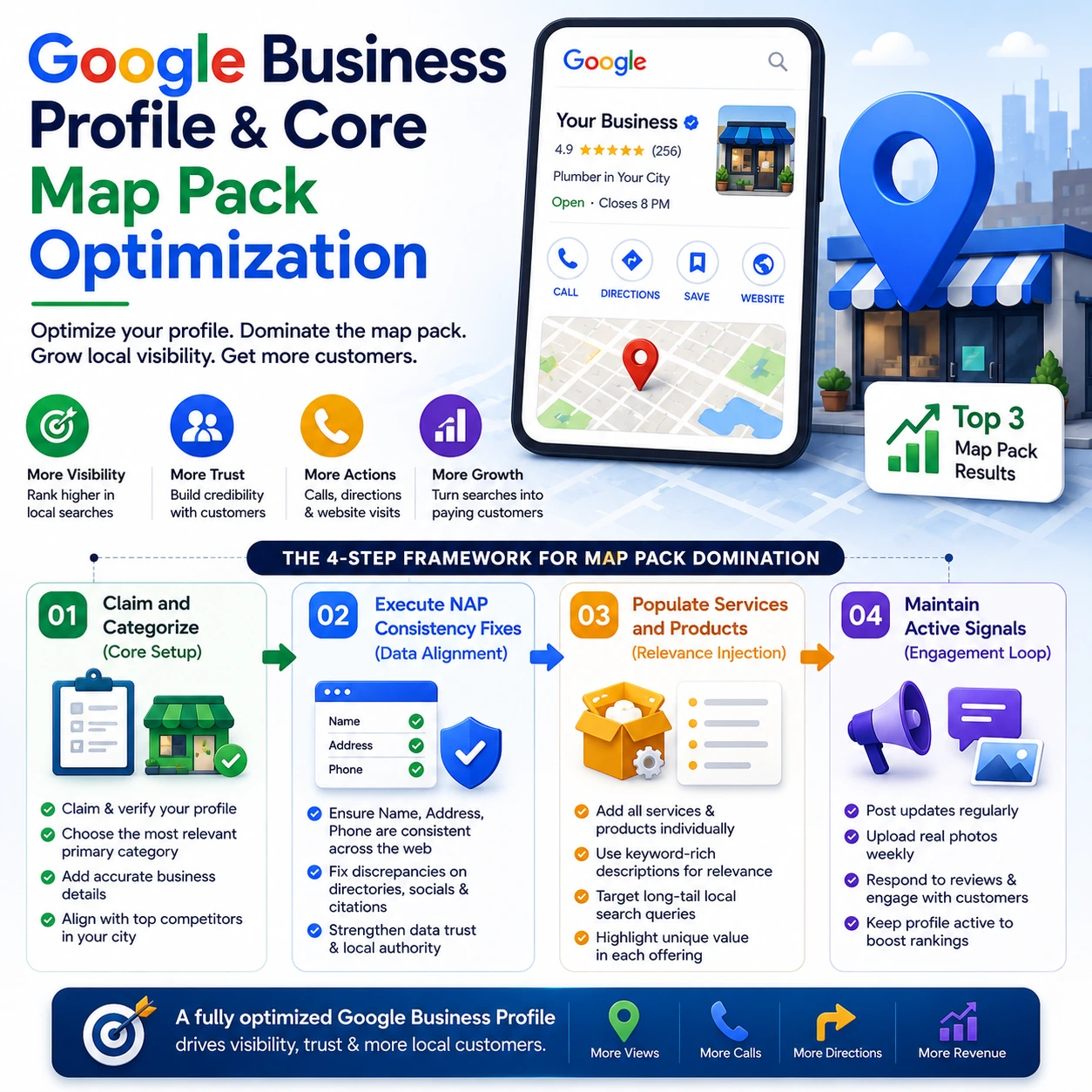
Your Google Business Profile (GBP) is the absolute foundation of your map presence. Securing a spot in the top three desktop and mobile listings requires aggressive, intentional map pack optimization.
This isn’t just about filling out your business name; it requires maximizing profile completeness, adding precise categories, and listing every micro-service you provide. Let’s get to the point: create an operational framework for your profile, follow this sequence:
1. Claim and Categorize (Core Setup)
Verify your profile and select a hyper-specific primary business category. Analyze the top three competitors in your city to align with the classification Google already favors.
2. Execute Nap Consistency Fixes (Data Alignment)
Audit your business name, address, and phone number across the web. Deploy immediate nap consistency fixes to verify that your core contact details match identically down to the punctuation across your website, socials, and major mapping platforms.
3. Populate Services and Products: (Relevance Injection)
Avoid bundled descriptions. List every individual service as a distinct entity with its own keyword-rich description to catch precise long-tail queries.
4. Maintain Active Signals: (Engagement Loop)
Treat your profile like a localized asset. Upload real, unedited photos weekly and post operational updates to signal continuous activity to the algorithm.
Directory Authority and Data Integrity
The algorithm establishes trust by checking your footprint across external directories and database aggregators. Inconsistencies or duplicate records dilute your authority and confuse search engines. Running systematic local citation audits allows you to discover where your business information is fractured, expired, or missing entirely online.
| Process Steps |
|
|
|
|
Once you identify errors, prioritize manual or tool-assisted cleanups. Resolving historical errors through rigorous nap consistency fixes builds an authoritative entity foundation. A comprehensive 2026 local search audit reveals that 68% of multi-location businesses actively lose visibility due to conflicting address information and unverified directory footprints.
After clearing out the data noise, run subsequent local citation audits to verify that Tier-1 directories (like Yelp, Bing Places, and Apple Maps) match your core profile perfectly. Executing these local citation audits alongside continuous nap consistency fixes blocks data noise, meaning search crawlers encounter a unified data string that passes maximum prominence back to your primary map listing.
Geographic On-Page Engineering & Localized Schema
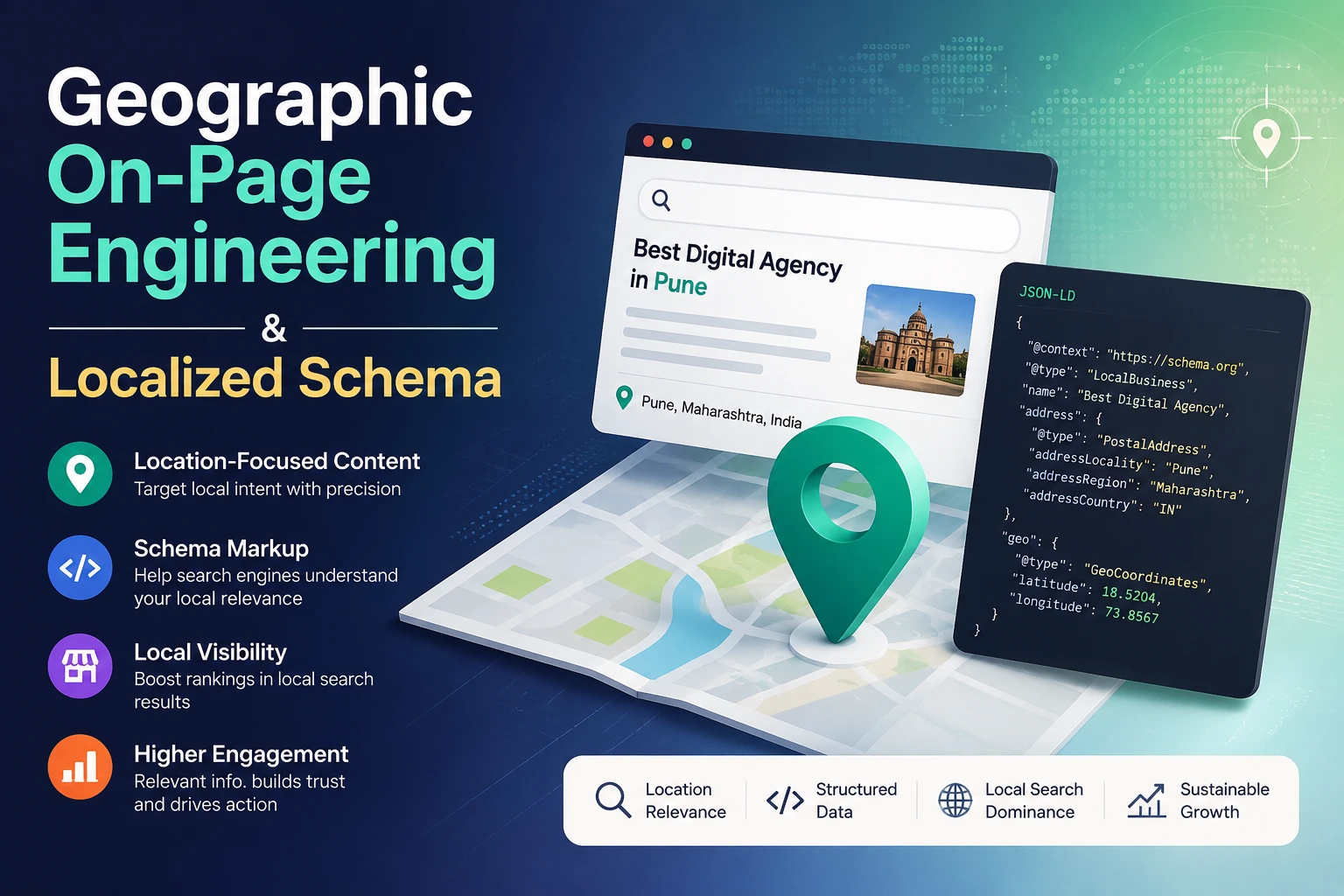
Your main website directly influences how high your map listing ranks. If you serve multiple areas, building a dedicated, highly optimized Geo targeted landing page for each individual district or city is a technical necessity in advanced SEO frameworks for businesses in the USA.. A generic homepage will not pull map rankings across a wide geographic footprint.
Each specific Geo targeted landing page must feature unique copy, distinct team highlights, local reviews, and embedded maps. To explicitly communicate your physical coordinates to crawlers, you must inject raw, structured, localized schema markup into the header of every location page. This code translates your physical presence into clean data points that search engines index effortlessly.
When you pair a high-converting Geo targeted landing page with valid, error-free localized schema markup, you bridge the gap between organic text and spatial search. Utilizing proper localized schema markup cements your corporate identity within Google’s semantic ecosystem, validating your real-world coordinates.
Overcoming Proximity Limits with Content Clusters
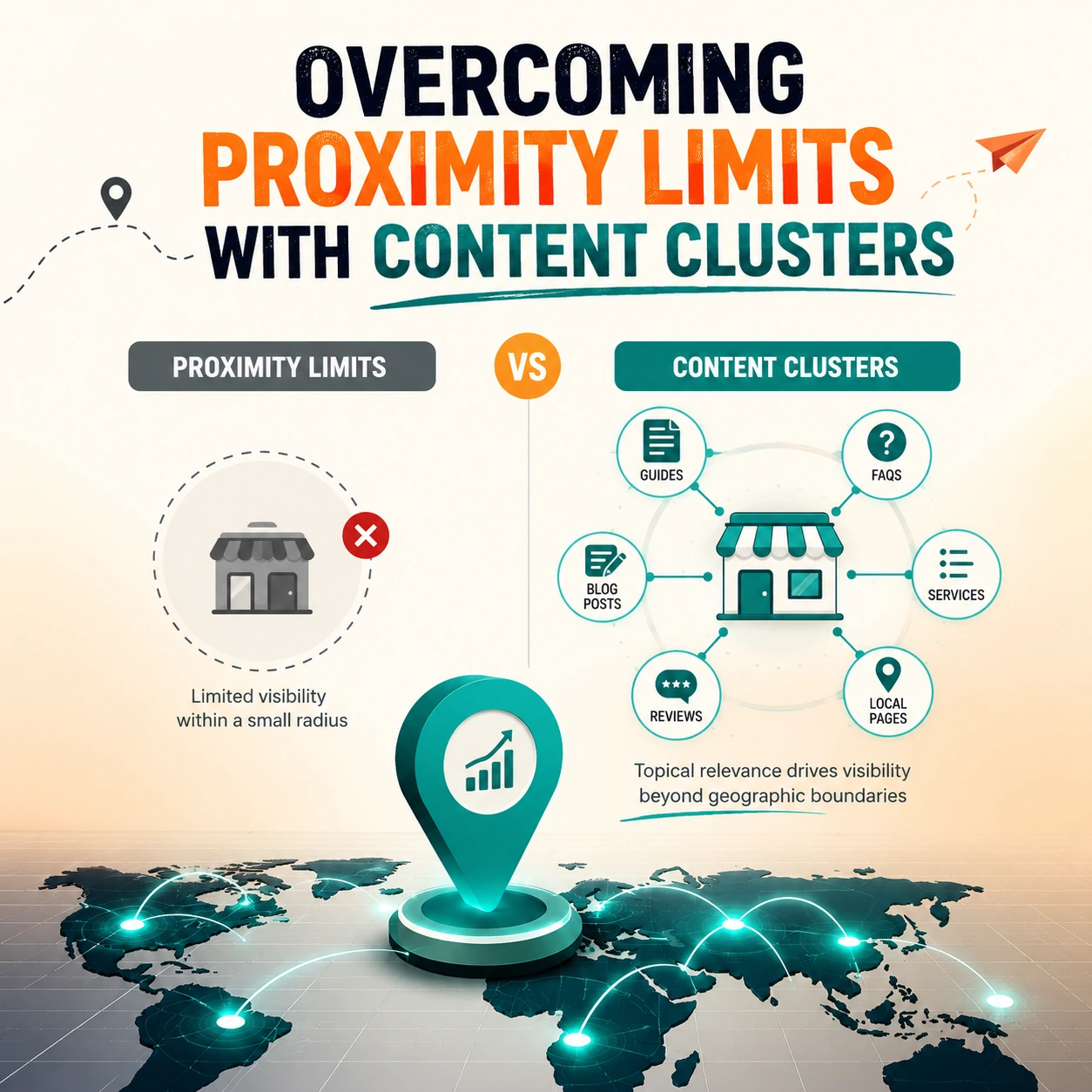
The most challenging component of map algorithm mechanics is proximity: how close your business’s physical address is to the user’s mobile device. Because you cannot move your office to follow every user, you must use proximity signal optimization to expand your ranking radius. This involves building organic authority that offsets a strict distance disadvantage.
[Core Office Location]
│
┌─────────────┼─────────────┐
▼ ▼ ▼
[Zone A Post] [Zone B FAQ] [Zone C Guide]
└─────────────┬─────────────┘
▼
[Proximity Signal Optimization]
The most effective method for proximity signal optimization is the deployment of strategic hyperlocal content clusters. Instead of writing generic industry articles, publish material tightly bound to local neighborhoods, regional regulations, and localized project case studies. Building these robust hyperlocal content clusters signals to the algorithm that your business operates deeply within specific surrounding zones.
By scaling authoritative, neighborhood-level text, your hyperlocal content clusters validate your real-world operations across neighboring communities. Consequently, this deep contextual relevance maximizes your proximity signal optimization, allowing your business to outrank physically closer competitors who lack geographic authority.
Capturing Local Intent and Tracking Engagement
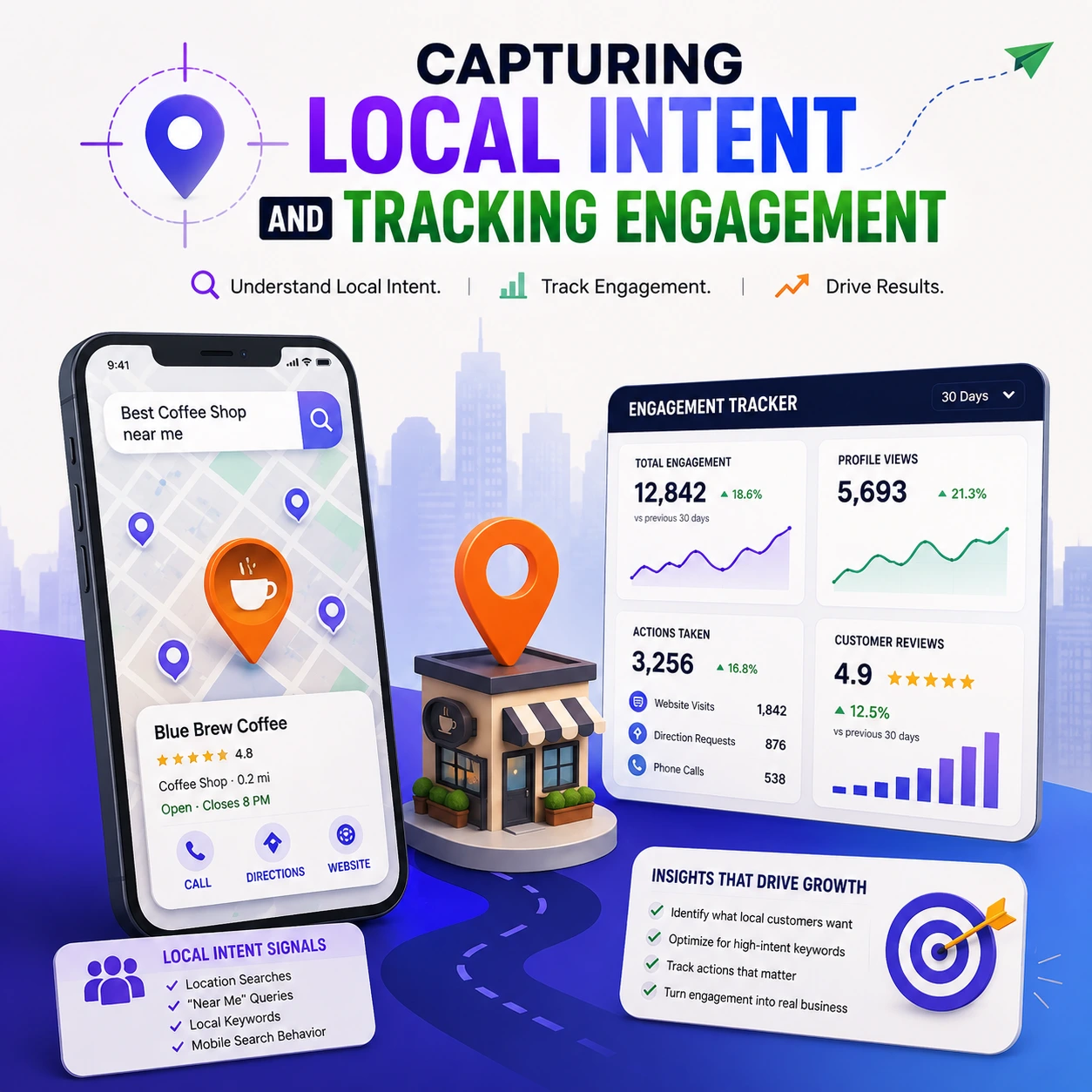
Map results are inherently dynamic, shifting based on real-time user behavior and user location data. To capture these high-intent buyers, your digital assets must be structured to meet specific localized search intent. Users looking for immediate solutions nearby behave differently from researchers looking for broad guides; they want fast directions, instant tap-to-call options, and immediate operational hours.
| Parameter | Research Intent | Localized Search Intent |
| User Goal | Gather broad information | Find nearby transactional fulfillment |
| Query Format | “How does commercial landscaping work” | “Emergency landscape design near me” |
| Primary CTR Action | Reading blog posts / Whitepapers | Tap-to-call, directions requests, GBP clicks |
| Conversion Window | Days to weeks | Within 24 hours of search |
Aligning your content strategy with specific localized search intent allows you to capture buyers at the exact moment they are ready to transact. When users find information tailored exactly to their localized search intent, it triggers micro-interactions, like driving directions requests and phone calls that signal real-world popularity to the algorithm.
To tie your digital assets directly into Google’s relational database, you must practice entity based localization. This means moving away from primitive keyword-stuffing and instead optimizing your site around recognized regional landmarks, cross-streets, and civic institutions.
[Raw Keywords] ──> [Entity Based Localization] ──> [Map Pack Optimization]
Integrating real-world entities into your copy proves your physical presence to semantic crawlers. This sophisticated entity based localisation turns your website into an authenticated, geographically tied digital entity which is a must-have element of modern SEO for businesses based in the USA. As Google connects your profile to known regional entities, your structural entity based localization provides a permanent boost to your overarching map pack optimization framework.
Driving Reputation and Review Velocity
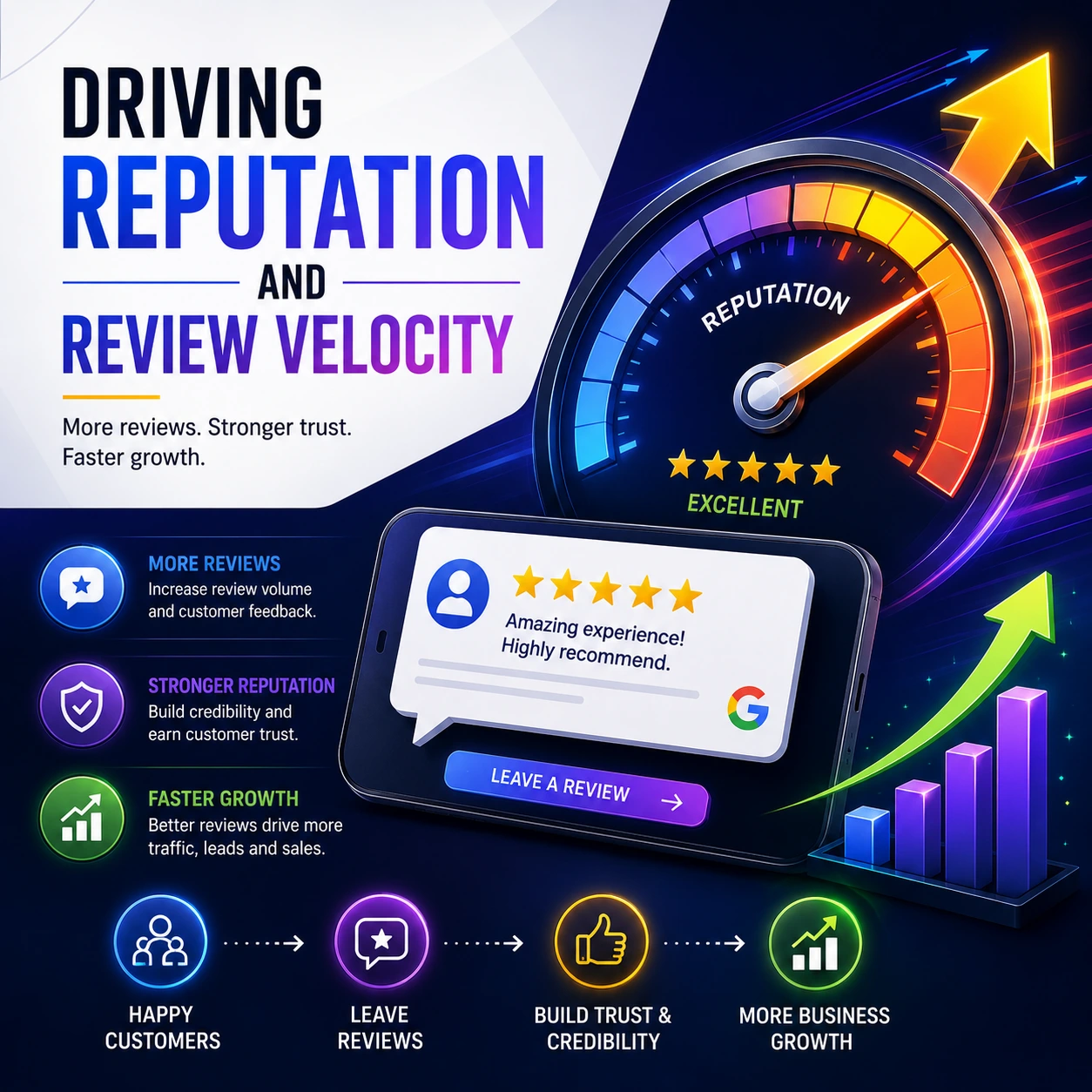
Reviews are no longer just a superficial conversion tool, they are an aggressive ranking factor. To maintain top placement, you must implement a rigorous, automated review velocity strategy. Google rewards businesses that secure customer feedback continuously and sustainably over time, rather than in erratic, artificial bursts. Recent 2026 local conversion audits reveal that consistent review volume acceleration provides a compounding 4x increase in map-view conversions compared to static, unmanaged profiles.
[Automated Request] ──> [Steady Feedback Loop] ──> [High Review Velocity Strategy]
A successful review velocity strategy relies on consistent, post-purchase follow-ups that encourage customers to naturally mention the specific service provided and the neighborhood they live in. When you execute an active, software-driven review velocity strategy, you create an ongoing stream of fresh content that Google indexes directly.
Instructing your team to respond to every review using regional terms further maximizes your ongoing map pack optimization. This consistent, daily management turns your reputation loop into a self-sustaining marketing engine that keeps your business visible, prominent, and highly profitable.
SocialzRank: Command Your Local Digital Footprint
Stop wasting budget on agencies that pass off generic automated directory listings as actual local strategy while your competitors steal your neighborhood market share.
At SocialzRank, we treat geographic dominance as a technical engineering problem. In a search ecosystem governed by mobile proximity and real-time review tracking, a fragmented local footprint destroys your client acquisition pipeline. We don’t just delete duplicate data. Our professional SEO services revamp your on-page tag structures, build authoritative local content assets, and maximise your map visibility where it matters. We also use advanced SEO systems that are mentioned in our ultimate guide to SEO for USA businesses.