

In 2026, organic traffic remains the most sustainable way to grow your online presence. Unlike paid campaigns, visitors arriving through search engines are already interested in solutions, which often results in higher engagement and better conversions.
Imagine a small business blog that consistently publishes valuable content. Over a few months, it began attracting thousands of monthly visitors without paying for ads. That’s the power of increasing organic traffic when done strategically.
This guide walks you through a step-by-step process to grow organic traffic quickly, combining SEO, content creation, website optimization, and technical strategies: all actionable and easy to implement for any business.
1. Understand Your Audience and Their Search Behavior

Before crafting content or optimizing your site, you need to know your audience. Ask yourself:
- Who are they?
- What problems are they trying to solve?
- What type of content do they engage with most?
Use your keyword research process to find relevant search terms. Start with broad keywords like “digital marketing” and then explore long-tail keywords such as “digital marketing plan for small businesses.” Long-tail terms capture specific user intent and often face less competition.
Example: A fitness blog targeting “home workout routines for beginners” will attract highly motivated readers compared to just targeting “workout routines.” Understanding search intent makes sure your content is relevant and contributes to organic traffic growth.
Pro Tip: Use tools like Google Keyword Planner, Ahrefs, or SEMrush to analyze keyword volume, difficulty, and user intent.
2. Optimize Your Website for Speed, Structure, and SEO
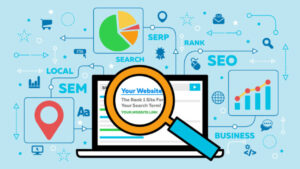
Website performance directly impacts user experience and search engine visibility. Optimizing website performance impacts engagement, bounce rates, and search rankings, not just technical efficiency.
Key Optimization Areas:
- Page Speed: Compress images, use caching, and minimize unnecessary scripts. A fast-loading site keeps users engaged.
- Mobile Responsiveness: With most searches coming from mobile devices, your site must adapt seamlessly.
- Meta Tags and Headings: Use primary and secondary keywords naturally in titles, headings, and meta descriptions.
- URL Structure: Keep URLs short, descriptive, and keyword-friendly.
- Technical SEO: Implement structured data, fix broken links, and ensure proper indexing.
A well-optimized website supports user engagement metrics, helping visitors stay longer, navigate easily, and return for future visits: all contributing to better search engine ranking.
Pro Tip: Regularly audit your website to catch performance issues early. Tools like PageSpeed Insights and Screaming Frog can help.
3. Produce High-Quality, Targeted Content

Content remains the backbone of organic traffic growth. High-quality content addresses your audience’s needs and keeps them engaged.
Content Creation Tips:
- Blogs and Guides: Write in-depth articles answering specific questions.
- Visual Content: Infographics, charts, and videos help simplify complex topics.
- Evergreen Content: Creates long-term traffic; examples include “Complete SEO Checklist for 2026.”
- Topical Content: Address trends and current events to capture immediate interest.
Mini-Tip: Incorporate stories or examples to make content relatable. For instance, showing how a small e-commerce store increased traffic by 150% with consistent blog updates makes the strategy tangible.
High-quality content naturally attracts backlinks, shares, and repeat visitors, all of which improve your search engine ranking.
4. Build Backlinks Strategically
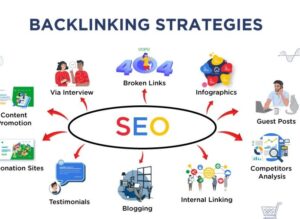
Backlinks remain a core factor for SEO. A backlink building strategy should prioritize authority and relevance:
- Guest posting on reputable websites
- Collaborating with influencers for mentions
- Submitting content to high-quality directories
- Earning natural links through valuable, shareable content
Quality backlinks improve organic traffic growth by signaling authority to search engines, leading to higher visibility and more qualified visitors.
Pro Tip: Avoid spammy links; one high-quality backlink is worth more than dozens of low-quality links.
5. Leverage Internal Linking and UX Optimization
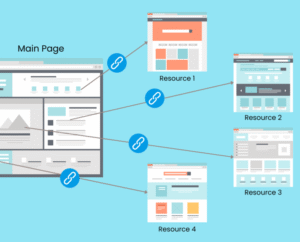
Internal linking helps both users and search engines understand your website. User engagement metrics improve when content is easy to navigate.
- Link related articles to keep readers exploring your site.
- Create a clear menu and logical page hierarchy.
- Highlight important pages with contextual links and CTAs.
A strong internal linking structure enhances SEO content strategy by distributing link equity and helping search engines index pages efficiently.
6. Track Metrics and Refine Your Strategy

Tracking performance is crucial for continuous growth. Use analytics tools to monitor organic traffic growth:
- Organic visits and page views
- Bounce rate and session duration
- Keyword rankings and top-performing pages
- User engagement metrics like clicks and scroll depth
Use these insights to optimize underperforming content and replicate successful strategies. Data-driven refinement guarantees that your digital marketing plan evolves with changing audience behavior and search engine algorithms.
Pro Tip: Set monthly goals for traffic, engagement, and conversions to measure progress.
7. Focus on Mobile and Local SEO
Mobile and local searches are increasingly dominant. Optimize your website to capture both:
- Mobile-first design improves user engagement metrics and reduces bounce rates.
- Create content targeting local intent and location-based queries.
- Claim and optimize Google Business Profile and local directories.
This approach expands reach, especially for businesses that serve specific regions or rely on local traffic. It also reinforces your SEO content strategy by aligning content with audience behavior.
8. Advanced Techniques for Faster Growth
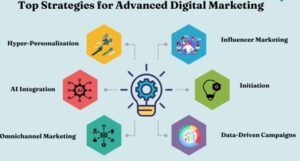
Beyond core strategies, advanced methods accelerate organic traffic growth:
- Content Repurposing: Transform blogs into videos, podcasts, or social posts.
- Topic Clusters: Group related content for authority and easier navigation.
- Technical Audits: Fix crawl errors, broken links, and indexing issues.
- Schema Markup: Enhance rich snippets for higher click-through rates.
- AI and Automation: Use AI tools for content ideas, SEO audits, and keyword suggestions.
These strategies complement foundational practices and make your growth faster without compromising content quality.
Organic Growth That Lasts
At Socialz Rank, we help businesses implement a digital marketing plan designed for real results. We guide businesses step-by-step to organic traffic growth through SEO content strategy, high-quality content creation, website optimization, and backlink building.
Our approach balances strategy and execution, ensuring visitors not only arrive at your site but engage meaningfully, helping visitors become long-term customers.
Growth Through Strategy, Not Shortcuts
Increasing organic traffic quickly requires understanding your audience, producing high-quality content, optimizing your website, building authority, and continuously refining your strategy.
With a thoughtful approach to organic traffic growth, you can achieve sustainable visibility, meaningful engagement, and tangible business outcomes in 2026.
Frequently Asked Questions
What is the fastest way to increase organic traffic?
Use a combination of SEO content strategy, high-quality content, and website optimization aligned with user intent.
How does keyword research help boost traffic?
A strong keyword research process confirms content matches what users are searching for, improving ranking and engagement.
Can content marketing alone improve organic growth?
Yes, especially when paired with website performance optimization, it encourages repeat visits and longer engagement.
How do backlinks affect search engine ranking?
A backlink building strategy increases authority and trust, helping pages rank higher and drive organic traffic growth.
What website optimizations are essential for SEO?
Speed, mobile responsiveness, meta tags, clean URLs, and internal linking improve user engagement metrics.
How often should content be updated for better organic traffic?
Regular updates maintain relevance, supporting organic traffic growth and stronger search rankings.
Does user engagement influence search visibility?
Yes, metrics like session duration, clicks, and scroll depth are considered ranking factors.
How can Socialz Rank assist with increasing organic traffic?
We provide a full digital marketing plan covering SEO, content strategy, website optimization, and backlinks for sustainable growth.
Should I focus on mobile optimization?
Absolutely. Mobile-first websites improve user engagement metrics and support overall organic traffic growth.
Which metrics track organic growth effectively?
Track organic visits, bounce rates, keyword rankings, backlinks, and engagement metrics for actionable insights.